Beech Grove drinks the same Citizens water as Indianapolis, but a repipe here is permitted through a different city hall. Circle City Repipe brings repiping and pipe repair to Beech Grove, from partial repiping of the galvanized that remains to a full whole-house repipe, along with water leak repair and service line work. Licensed and insured contractors carry it out, with the interior permitted by the City of Beech Grove and any service line work done under Citizens Energy Group’s rules.
The paperwork belongs to Beech Grove
As an excluded city, Beech Grove stands apart from the consolidated Indianapolis government and runs its own building office. A plumbing contractor’s registration with Indianapolis has no force here, because the City of Indianapolis leaves the excluded cities out of its contractor licensing.
Permits here go through the Beech Grove Building Commissioner, with applications taken at the Clerk-Treasurer’s Office on Main Street. For plumbing, electrical and HVAC trades, the city requires a certificate of insurance that lists the City of Beech Grove as additional insured, and a contractor bond under Indiana Code 36-7-2-4, with the originals on file with the Clerk-Treasurer. Those documents are in place before the permit is issued. The permit fee is set by the Building Commissioner’s office and confirmed for the address. The pipe itself follows the statewide Indiana Plumbing Code.
An older inner-ring housing stock
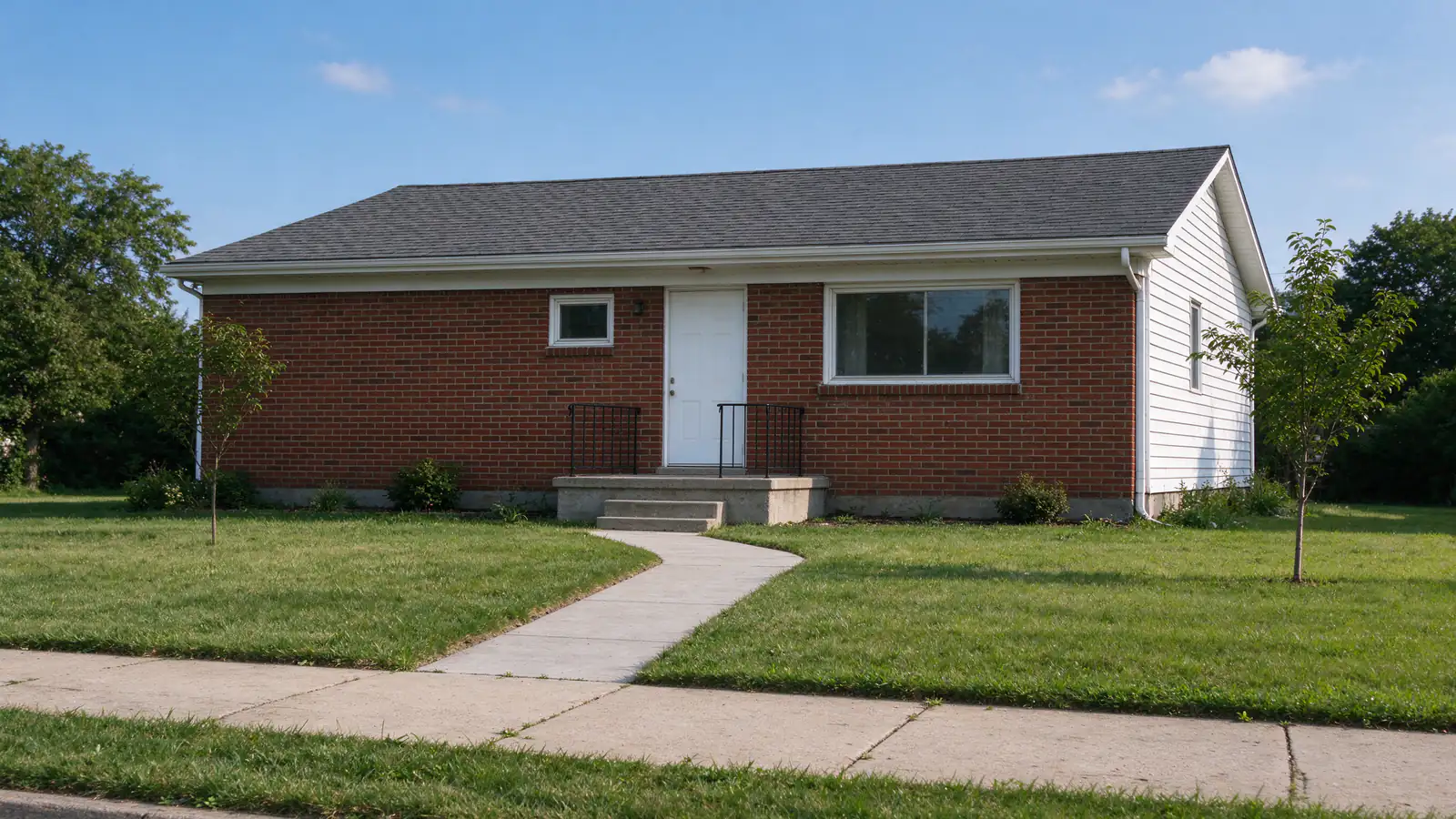
Beech Grove began as a company town around the Beech Grove Shops, a railroad repair facility, and its housing reflects a city that filled in through the middle of the last century. According to the American Community Survey, 10.2% of its homes were built before 1940, 29.2% between 1940 and 1959 and 34.0% between 1960 and 1979, for a median build year of 1968. About 39% of homes predate 1960, more than the roughly one in three for Indianapolis as a whole and far more than Lawrence, Carmel or Greenwood; of the nearby cities, only Speedway runs older.
That middle band is the interesting one for pipe. Houses from the 1940s and 1950s were built as galvanized steel was giving way to copper, so a single house can have galvanized on its original runs and copper wherever a leak was fixed later. Houses from the 1960s and 1970s are mostly copper, which raises different questions: pinhole leaks and, before 1986, possible lead solder at the joints. About a quarter of homes are in buildings with five or more units, where shared risers and several shutoffs change the scope. What a mixed system means for flow and water quality is covered in are galvanized pipes safe? Build year is context; the pipe is identified at the meter.
Citizens water and service line rules still apply
Beech Grove lies inside Citizens Energy Group’s water service area, so the utility’s service line rules are the same as in Indianapolis. The owner owns the service line. Any modification or replacement needs a Citizens permit and a plumber with an active Citizens bond. A full replacement must be SDR9 polyethylene with tracing wire, at least three-quarter inch for a house under 2,000 square feet without irrigation. An inside meter does not survive a service replacement, and neither does one where a service leak repair runs longer than three feet: in both cases the owner pays to relocate it to a pit outdoors.
The utility’s lead line program works from the main to the house on lines that are lead or galvanized, and Citizens ties lead service lines and lead in plumbing to homes built before 1950. Eligibility and timing depend on the address. The Citizens lead service line program guide explains the options, and the lead service line replacement page covers how that work and interior pipe fit together. Because the service line and the interior answer to different offices here, the two scopes are planned together so the house is not dug up and opened in separate seasons.
Galvanized still in a Beech Grove house?
Have what is left traced from the meter and get a written scope before any wall is opened.
How a Beech Grove repipe usually goes
The visit starts at the meter and the main shutoff. The pipe material is identified, and static pressure and flow are checked at fixtures upstairs and down, hot and cold. If only a few galvanized runs remain, a partial repipe may be the right answer; the scope then says plainly which old pipe stays. If galvanized and patched copper are spread through the house, a whole repipe is usually the cleaner choice.
Where a house has a basement or crawlspace, the main and most branches run below the floor and short risers come up into each wall. One-story houses keep openings few. Water is shut off in stages rather than for days at a time; for a day-by-day picture, see how long repiping takes. Beech Grove’s inspection of the rough-in comes before any opening is closed. After it, the new pipe is tested under pressure and flushed, the heater and fixtures are hooked back up and the walls are patched as the written scope says. A seized main shutoff is replaced, and old pipe is removed where reachable or capped.
Apartment buildings and small multi-unit properties follow a different plan. Each unit needs its own shutoff, risers are replaced a stack at a time so only part of the building is without water, and access to every unit is scheduled in advance. More on that sequencing is on the commercial repiping page.
Cost and the city permit
There is no separate Beech Grove price band. Across the Indianapolis area, whole-house repipes commonly fall between $4,000 and $15,000 or more, with a small single-story house usually below the middle and a large two-story one above it. The Indianapolis DBNS fee does not apply here; the Beech Grove fee comes from its own building office. The Indianapolis repipe cost guide walks through each price driver, and the cost estimator turns house size and bath count into a planning range.
Around Beech Grove
Fountain Square to the northwest and Irvington to the northeast are inside Indianapolis, with the City’s permit office and historic district review. Greenwood is to the south in Johnson County. Every other covered area is listed on the service areas page.